
340B Policy Center
Built for patients. Drifting from purpose. Reformable.
The 340B Drug Pricing Program was created in 1992 to stretch federal dollars further and expand access for the patients federal programs were already serving. Three decades later, the program is the second-largest federal drug program in the country — and the people it was built for are increasingly missing from the conversation about how it works.
CANN's 340B work analyzes the program from the patient's perspective. We track how 340B revenue actually flows, where the program is delivering on its legislative intent, where it's drifting, and what federal and state policymakers can do to keep patients at the center of reform.


340B by the Numbers
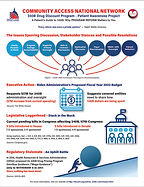
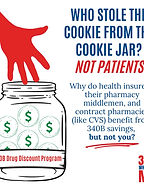
Eight infographics translating the program's scale, growth, and patient impact into the data points stakeholders need most. Updated as new federal and state data become available.


Policy Briefs
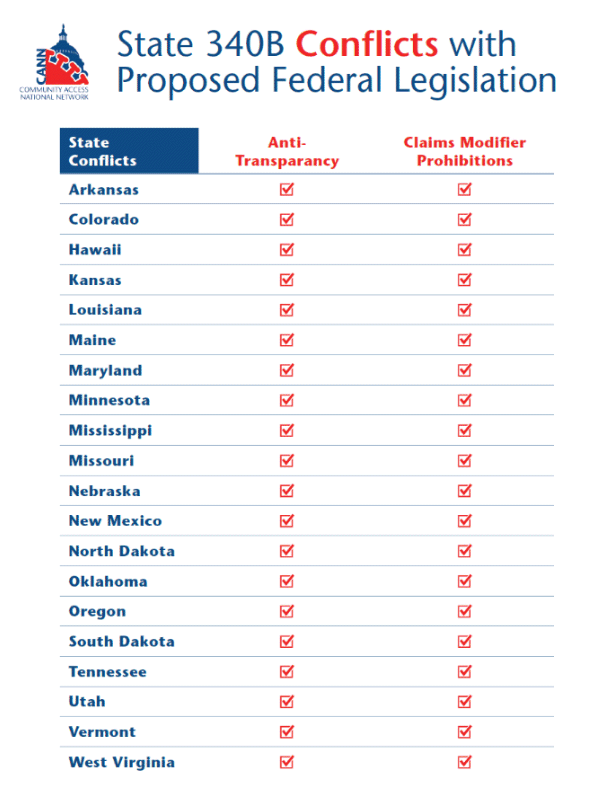
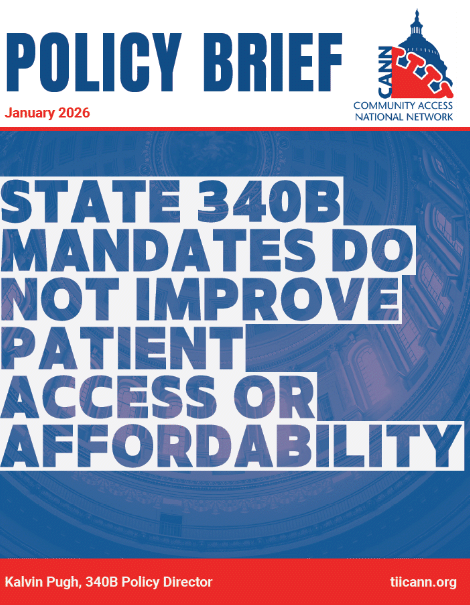
Short-form analysis on the questions in front of Congress, federal regulators, and state legislatures. January 2026 release: a four-part series on state 340B mandates and what the evidence says about patient access and affordability.

Is there transparency in the 340B Program?
Due to a lack of transparency and oversight in the 340B program, there continues to be profiteering and abuse working against patient interests, rather than actual direct support of vulnerable patients.
Zero Savings for Vulnerable Patients Who Rely on 340B
A study concluded that 340B does not translate into savings for patients, with most patients receiving 0% in prescription medication discounts even though the medication was purchased at a 340B discount.
3X Profit Margin on 340B Medications
The average profit margin on 340B medicines dispensed through contract pharmacies is an estimated 72% compared to just 22% for non-340B medicines dispensed through independent pharmacies.
340B Hospitals Put Profits Over Charity Care
In 47 states and the District of Columbia, more than half of disproportionate share hospitals earn more in estimated 340B profit than they spend on charity care.
340B Misuse In Minnesota
The February 2026 Minnesota Department of Health 340B Covered Entity Report found that less than 1% of reported 340B net revenue went to safety-net clinics.
Nonprofit Profiteering in Colorado
UC Health Poudre Valley Hospital holds Colorado's highest hospital profit margin (33% in 2024), the state's largest fair-share deficit (~$59M/year), and spends only 1% of net patient revenue on charity care — despite 340B Disproportionate Share Hospital (DSH) participation.
Read Our Latest Analysis


Find your state
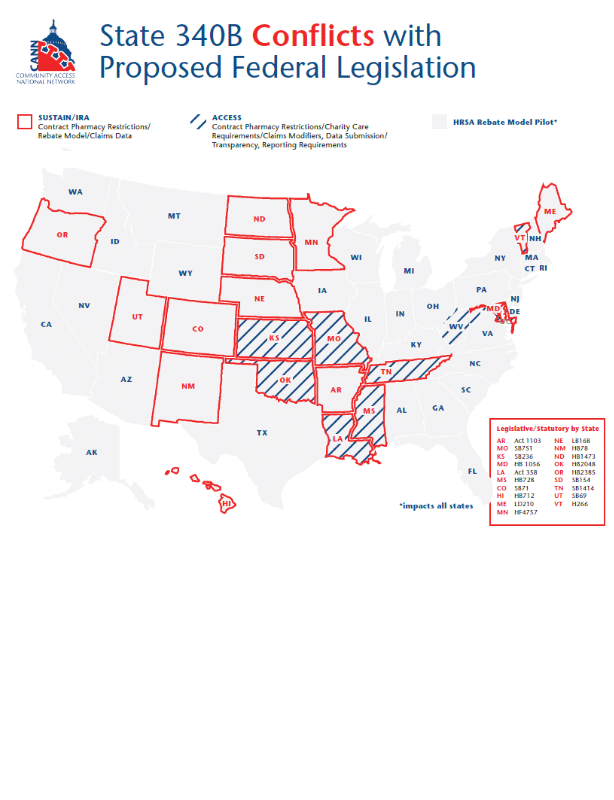
340B legislation is moving fast at the state level — over half the states have introduced or passed bills in the last two years. Browse current legislative activity, fact sheets, and how to engage by state.